Built to Match: The Science Behind Rifle and Cartridge Co-Development
In precision shooting and hunting, rifles and ammunition are often treated as independent variables. Shooters buy a factory rifle from one maker and source factory cartridges from another, relying on broad SAAMI or CIP industry standards to bridge the gap. While standardized tolerances function safely, they leave critical performance margins on the table. Sako operates under a unified engineering philosophy: rifle mechanisms and centerfire cartridges are designed, tested, and proofed within the same facility in Riihimäki, Finland.

In precision shooting and hunting, rifles and ammunition are often treated as independent variables. Shooters buy a factory rifle from one maker and source factory cartridges from another, relying on broad SAAMI or CIP industry standards to bridge the gap.
While standardized tolerances function safely, they leave critical performance margins on the table. Sako operates under a unified engineering philosophy: rifle mechanisms and centerfire cartridges are designed, tested, and proofed within the same facility in Riihimäki, Finland.
Chamber Geometry & Freebore Synchronization
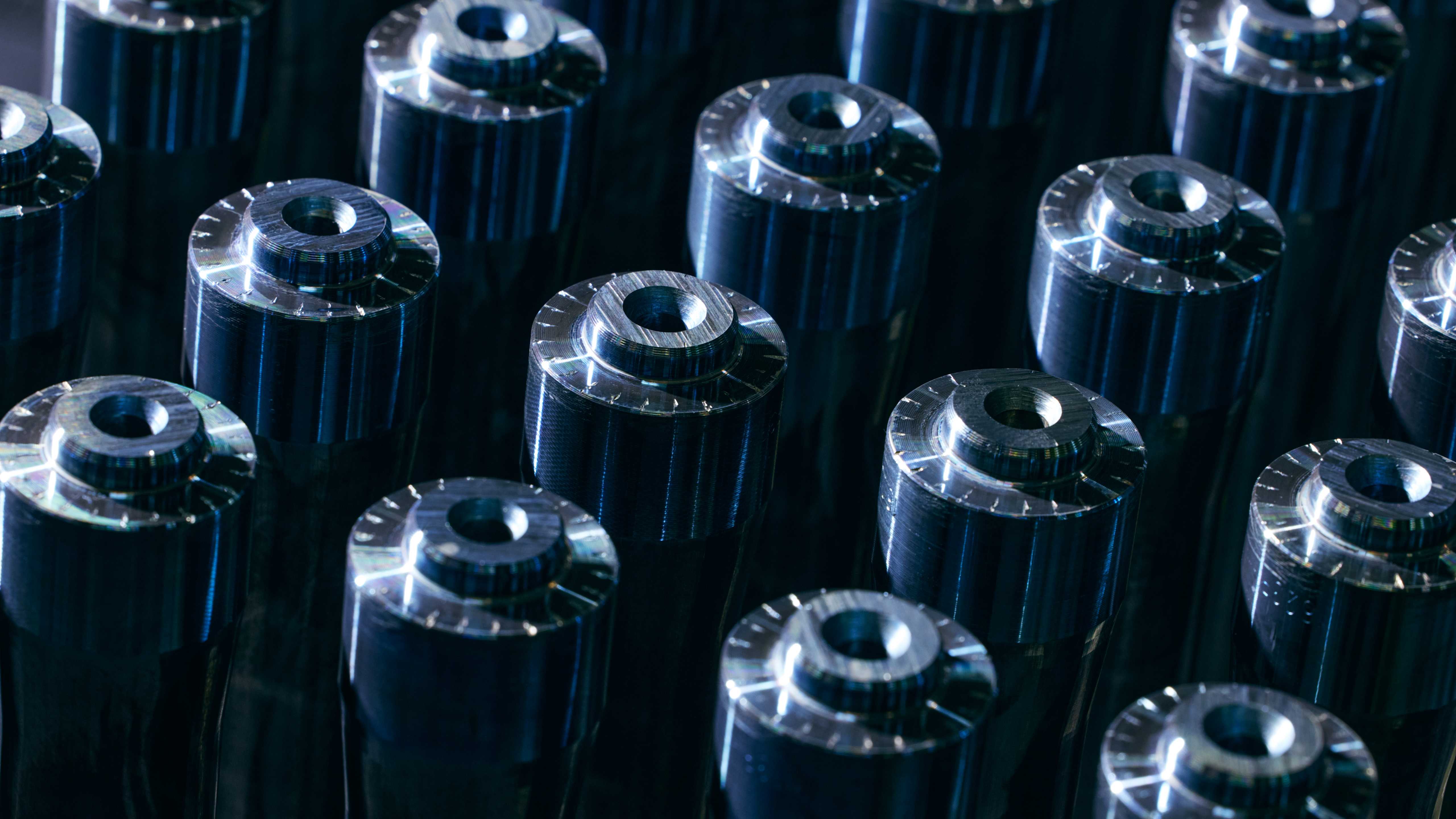
Achieving consistent benchrest-level precision requires strict alignment between the bullet's ogive and the barrel's rifling lead When factory ammunition is loaded into off-the-shelf chambers, variations in freebore distance can introduce bullet run-out, micro-canting, and velocity spreads. Sako cartridge brass and projectile profiles are engineered alongside proprietary cold hammer-forged barrels-found across platforms like the Sako 90 series and modular Sako 100. By controlling both the chambering reamer specs and the brass shoulder and neck dimensions, bullet jump is minimized and concentricity is maximized before the primer is even struck.
Feeding Dynamics & Bolt Action Integration
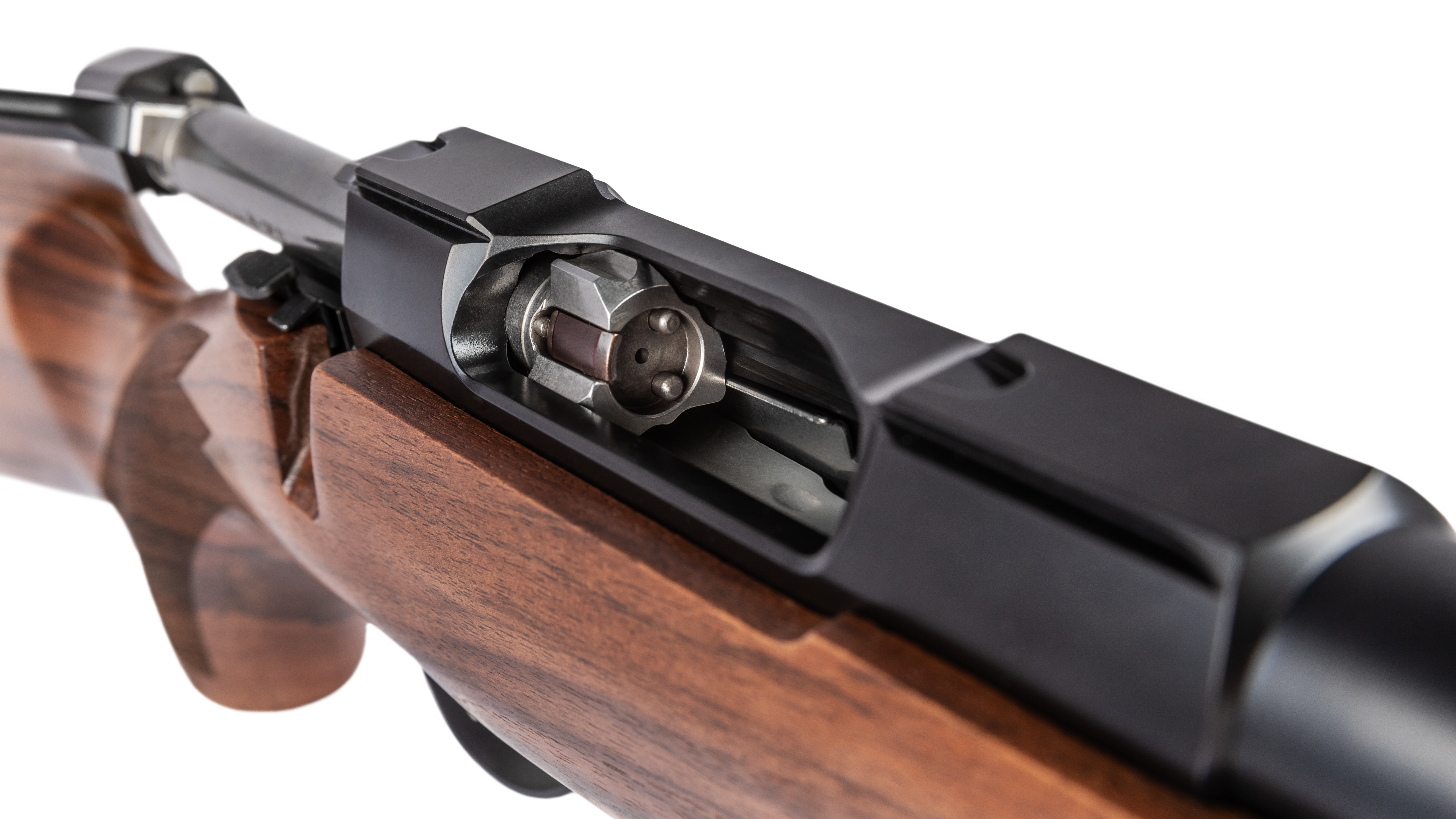
A cartridge must do more than fit the chamber; it must cycle flawlessly under extreme field conditions. Smooth action cycling requires exact harmony between magazine follower geometry, receiver feed ramps, and cartridge neck geometry: Push-Feed Optimization: Modern Sako action designs, such as the push-feed architecture of the Sako 90, utilize smooth bolt face geometry and plunging extractors.
The outer rim, extractor groove, and cartridge bevel are contoured to slip cleanly under the extractor claw without binding or shaving brass. Controlled Bolt Travel: Whether cycling rapid follow-up shots on a driven hunt or loading from a multi-fit double-staggered magazine in an S20, cartridge taper and shoulder angles prevent feeding jams or nose deformation on the receiver ramp.
Harmonic Consistency Across Temperature Extremes
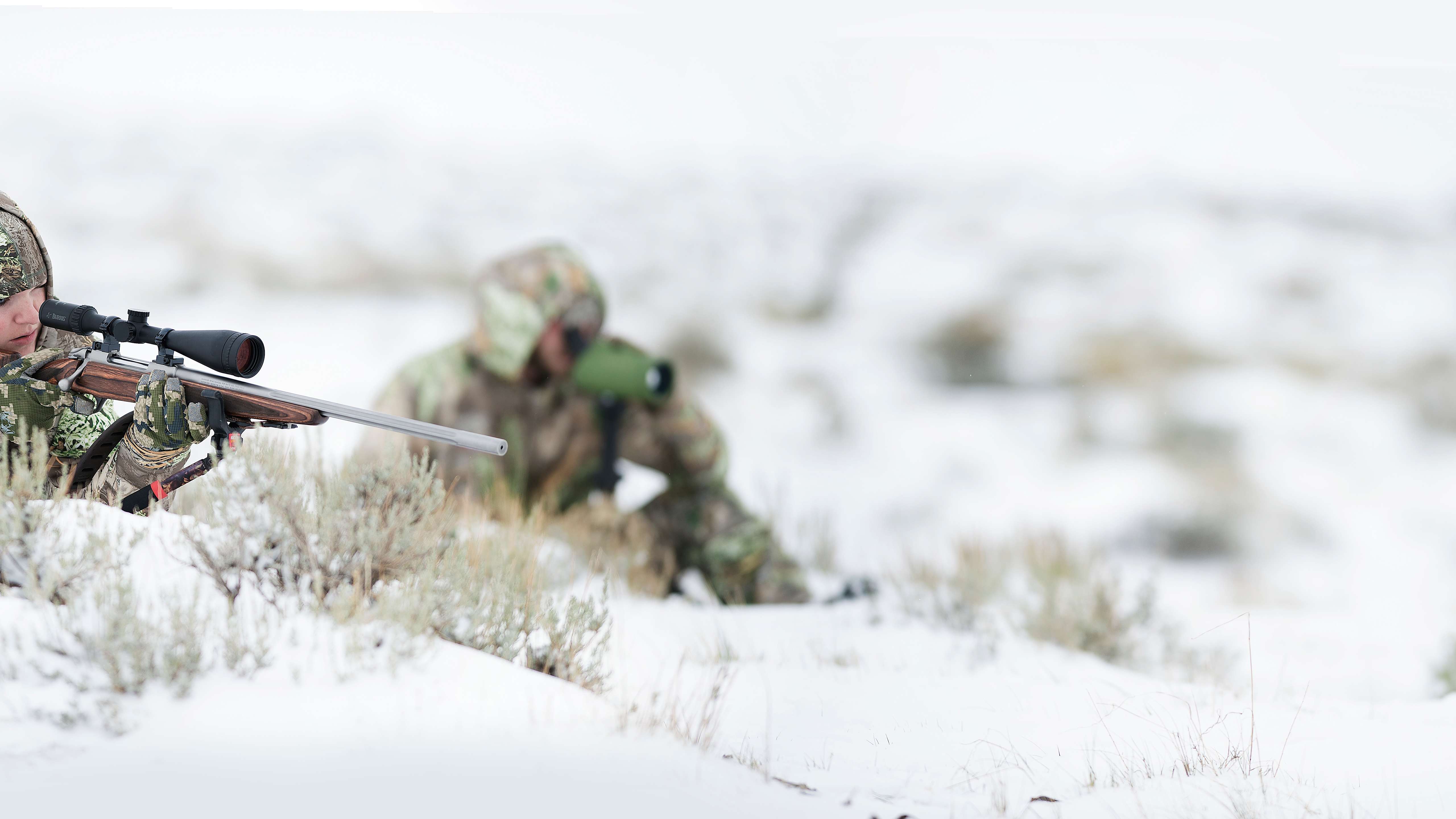
Barrels flex in harmonic waves upon firing. When propellant charge dynamics match the thermal expansion characteristics of cold hammer-forged rifle steel, nodes of barrel vibration become predictable.
Sako balances propellant burn rates directly against standard factory twist rates (such as 1:8" or 1:10" twist rates engineered for heavy, high-BC hunting bullets). This synergy limits velocity standard deviations (SD) and eliminates vertical stringing, maintaining the shooter's zero whether firing in sub-zero alpine conditions or high-heat summer environments.