The High-Volume Disciplines: Precision Lessons from the Dog Town
Varmint Hunting
High-volume shooting is the ultimate "stress test" for a rifle system. In the vast prairie dog towns of the American West or the ground squirrel colonies of the high desert, you aren't just hunting; you are managing a heat engine. While a big-game hunter might fire three shots in a week, a varmint shooter can easily cycle through 200 to 500 rounds in a single afternoon.
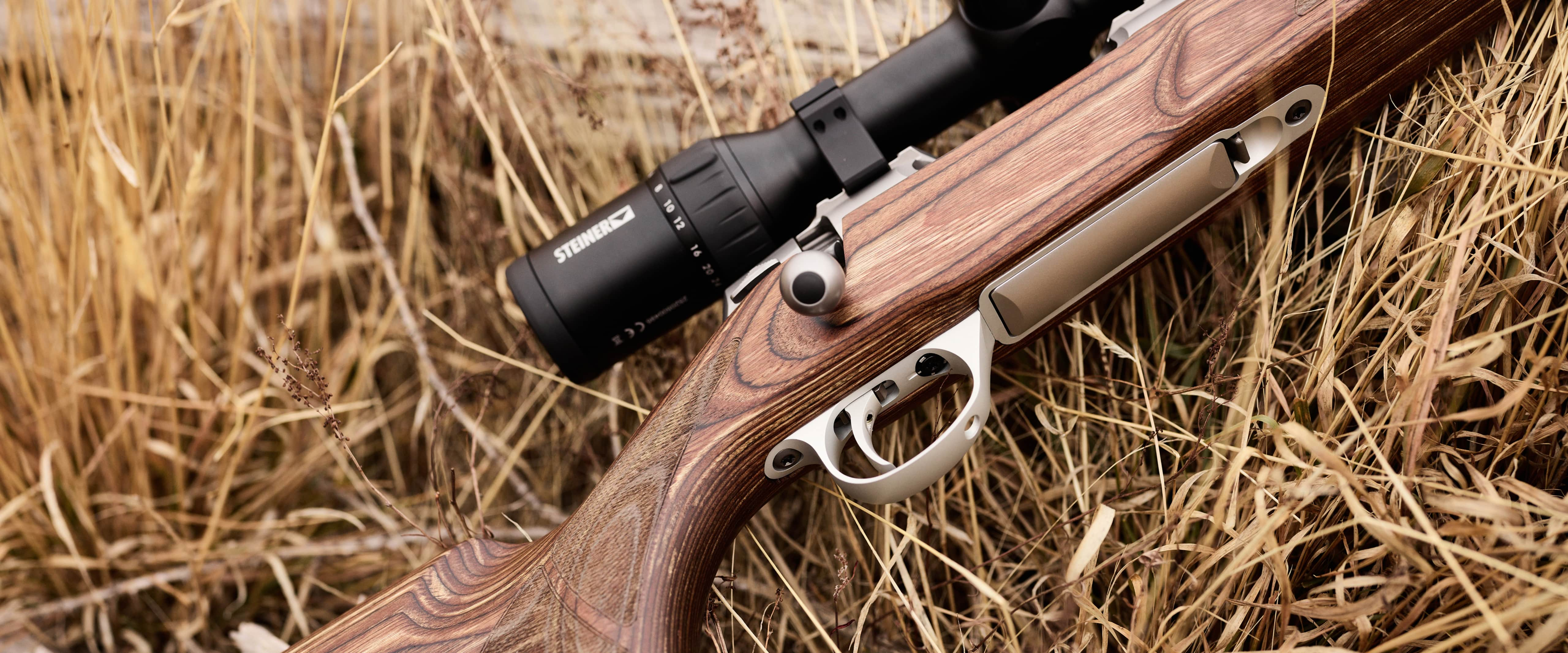
This isn’t just about having a lot of targets; it’s a technical discipline that demands a specific mechanical approach to bore life, thermal expansion, and ergonomic endurance. If your rifle isn't built for the "High-Volume" cycle, the heat will eventually turn your sub-MOA precision into a "minute-of-barn-door" frustration.
The Thermal Paradox: Managing the Heat Sink
Every time a primer ignites and a bullet travels down the bore, friction and hot gases transfer thermal energy into the steel. In a high-volume scenario, the barrel never has time to return to ambient temperature.
1. The Heavy Varmint Contour
Sako rifles designed for this discipline, like the Sako 90 Varmint, utilize a heavy-profile, cold-hammer-forged barrel. This isn't just about weight for stability; it’s about thermal mass.
- Heat Absorption: A thicker barrel acts as a larger heat sink. It takes more energy to raise the temperature of a heavy barrel than a slim hunting barrel. This allows you to stay in the "accuracy node" for longer strings of fire.
- Longitudinal Stability: As steel heats up, it expands. If a barrel has any internal stresses from the manufacturing process, it will begin to "walk" its shots—shifting the point of impact as the heat increases. Sako’s cold-hammer forging and subsequent stress-relief process ensure that the barrel expands concentrically. Your group might open up slightly as the bore gets scorching hot, but it shouldn't shift three inches to the left.
2. The Fluting Logic
You’ll notice deep longitudinal fluting on many Sako varmint barrels. In the high-volume world, this is a functional necessity.
- Surface Area: Fluting increases the exterior surface area of the barrel by up to 30%. More surface area means more contact with the air, which accelerates the cooling process.
- Stiffness-to-Weight: Fluting allows Sako to maintain a thick, rigid diameter (to resist barrel whip) while shaving off enough weight to make the rifle maneuverable on a bench or a bipod.
The Action: Cycling Under "Carbon Load"
High-volume shooting creates a dirty environment. Powder residue, carbon buildup, and copper fouling accumulate at an accelerated rate.
- The Sako 90 Bolt Cycle: When you are taking 300 shots a day, you need an action that doesn't bind as it gets dirty. Sako’s broached receiver and three-lug bolt are designed with enough clearance to remain "slick" even when the chamber area is coated in carbon.
- Dual Plunger Ejection: Just as in our Safari discussion, the Sako 90’s dual-plunger ejectors are critical here. When the action is hot and dirty, extraction and ejection become more difficult. The redundant force of two plungers ensures that empty brass is cleared violently, preventing a "stovepipe" that could halt your rhythm during a peak "target rich" window.
Ergonomics and the "Fatigue Factor"
Shooting accurately at a target the size of a soda can at 400 yards requires extreme concentration. After four hours on the gun, "reticle fatigue" sets in.
1. The Vertical Grip and Beavertail Forend
Varmint rifles like the Sako 90 utilize a stock geometry that differs from a mountain rifle.
- The Vertical Interface: A vertical or near-vertical grip allows for a more natural wrist angle when shooting from a bench or prone position. This reduces tension in the forearm, allowing for a more consistent trigger pull over hundreds of repetitions.
- The Beavertail: A wide, flat forend (the "beavertail") provides a stable platform when resting the rifle on a sandbag or a tripod. It resists the "roll" that can happen with a rounded hunting stock, ensuring the rifle stays level as you track moving targets across a field.
2. The Multi-Adjustable Trigger
In high-volume shooting, "trigger finger fatigue" can lead to "slapping" the trigger. Sako’s trigger is adjustable to five different weight settings. Most varmint shooters will opt for a lighter setting—often around 1 to 1.5 lbs—to minimize the physical effort required to break the shot. The cleaner the break, the less likely you are to pull the shot off-target as the afternoon wears on.
The Varmint Laboratory: Lessons for the Big Game Hunt
There is no better way to become a master marksman than a high-volume varmint season.
- Real-Time Ballistics: You get immediate feedback on wind calls. You see the bullet's "trace" in the air and the "splash" of the hit or miss. This builds a subconscious "wind-reading" database that is invaluable when you finally have a trophy elk in your sights.
- Recoil Management: Varmint calibers (like .22-250 or .223) allow you to practice "staying in the glass"—the ability to watch the impact through the scope without the rifle jumping off target. This follow-through is the hallmark of a professional shooter.
Maintenance: The High-Volume Tax
If you are going to shoot 400 rounds in a weekend, you must be disciplined about bore maintenance.
- The Carbon Ring: In high-volume shooting, a "carbon ring" can form just in front of the chamber. This can cause pressure spikes and degrade accuracy. A Sako owner knows to use a good solvent and a bore guide to protect that precision-cut chamber.
- Throat Erosion: While Sako’s cold-hammer-forged steel is incredibly resilient, heat is the ultimate predator of rifling. Letting the barrel cool between long strings is the difference between a barrel that lasts 5,000 rounds and one that "burns out" at 2,000.
The high-volume disciplines are where marksmanship is forged. It is a game of patience, thermal management, and mechanical consistency. If your rifle can survive a weekend in a Montana dog town, it can survive anything.