Passing it Down: Why a Sako is a Multi-Generational Investment
Support
In the modern consumer landscape, we are conditioned to accept "planned obsolescence." From smartphones to vehicles, most of our tools are built with a shelf life, designed to be replaced in five to ten years. The Sako rifle, however, belongs to a different category of engineering. It is a "mechanical legacy."
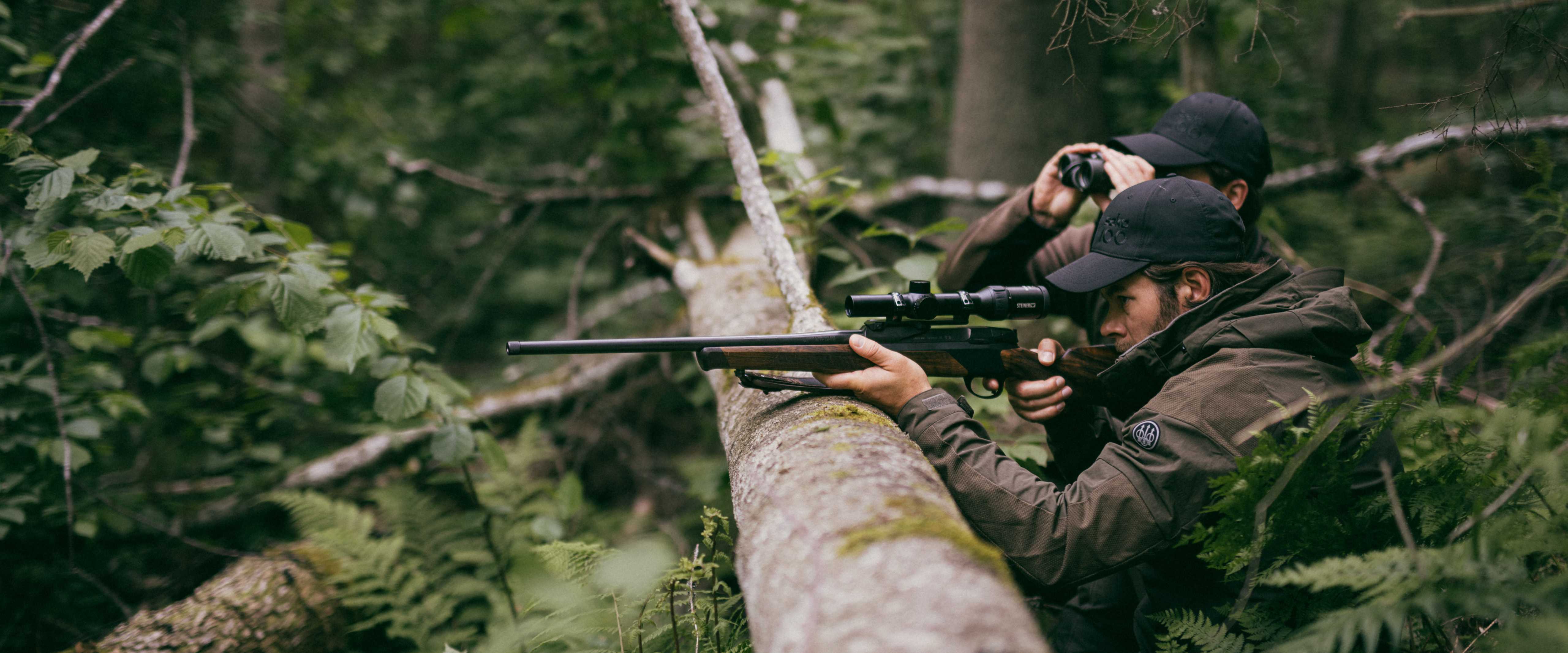
In the modern consumer landscape, we are conditioned to accept "planned obsolescence." From smartphones to vehicles, most of our tools are built with a shelf life, designed to be replaced in five to ten years. The Sako rifle, however, belongs to a different category of engineering. It is a "mechanical legacy."
When you purchase a Sako 90 or 100, you aren't just buying a rifle for the upcoming season; you are making a multi-generational investment. This isn’t marketing sentimentality—it is a byproduct of specific metallurgical choices and manufacturing tolerances that ensure the rifle remains as precise for your grandson as it is for you today.
The Metallurgy of Longevity: Cold-Hammer Forging
The "soul" of a rifle is its barrel, and the life of a barrel is determined by how the steel was handled during its birth. Most mass-produced rifles utilize button-rifled barrels, which can leave internal stresses that cause the steel to warp or "relax" over years of use.
- The CHF Process: Sako barrels are cold-hammer forged. A steel blank is placed over a mandrel that contains a mirror image of the rifling. Massive hydraulic hammers then beat the steel around the mandrel.
- Molecular Density: This process doesn't just create the rifling; it compresses the molecular structure of the steel, making it denser and harder. A cold-hammer-forged (CHF) barrel is significantly more resistant to "throat erosion"—the gradual burning away of the rifling just in front of the chamber. Because Sako barrels are harder at a molecular level, they can survive thousands of rounds more than a standard barrel before accuracy begins to degrade. This is why a Sako bought in the 1970s is often still shooting sub-MOA today.
All-Steel Construction: The Death of Plastic
To shave costs, many manufacturers have moved toward polymer trigger guards, plastic magazine latches, and "disposable" bedding systems. While modern polymers are durable, they are susceptible to UV degradation and extreme temperature fatigue over decades.
- Steel-on-Steel: In a Sako, where you expect to see metal, you find metal. The trigger guards, magazine bodies, and bolt shrouds are high-grade alloys or steel.
- The "Total Control" Latch: Consider the magazine release. In a cheaper rifle, this is often a plastic tab held by a wire spring. Over thirty years, that plastic can become brittle. Sako’s all-steel "Total Control" latch is a mechanical lock designed for an infinite service life. It is built to be cleaned, oiled, and operated for a century without snapping.
The "Sako Slide": Tolerances That Wear In, Not Out
There is a specific sound and feel to a Sako bolt—a smooth, vault-like "thunk." This is the result of broached receivers and tight-tolerance machining.
- Mechanical Mating: When parts are machined to the tolerances Sako demands, they don't "rattle" against each other. Instead, the moving parts (the bolt and the receiver rails) undergo a process of "work-hardening." Over the first few hundred rounds, the surfaces actually become smoother as they mate together.
- The Inheritance Factor: While a budget rifle starts to feel "loose" or "sloppy" after a decade of hard use, a Sako actually feels better. The action becomes slicker, the trigger break remains crisp, and the lock-up stays tight. You are handing down a machine that has reached its peak, not one that is past its prime.
The Accuracy Guarantee: A Permanent Standard
Sako’s "Sub-MOA" guarantee isn't just a promise for the first box of ammo. Because of the stability of the Sako 90’s flat-bottomed receiver and the Sako 100’s rigid barrel-clamping system, the rifle’s "zero" is mechanically locked.
- Environmental Inertia: Using high-grade stainless steel and aerospace-quality laminates or carbons means the rifle is indifferent to the passage of time. A wood-stocked rifle from 1950 might have warped three times by now, but a Sako 90 Quest is environmentally inert. It won't shift in the safe, and it won't shift in the field.
The Final Value: More Than the Sum of Its Parts
If you look at the used market, Sako rifles hold their value better than almost any other production brand. A Sako L61R from the 1960s often sells for more today than it did brand new, even when adjusted for inflation.
But the real "Passing it Down" value isn't financial—it’s narrative. When you hand that rifle to the next generation, you aren't giving them a piece of "obsolete tech." You are giving them a tool that still meets the highest modern standards of precision. You are giving them the stories of your hunts, locked into a piece of steel that is ready to go out and create new ones.
You don't really own a Sako. You just take care of it for the next hunter in the family.